How to Compare PCS Ratings: kW vs kVA, ATS vs STS and Parallel Limits
Summary: A buyer’s checklist for reading PCS datasheets, separating active from apparent power and checking transfer and expansion claims.
A PCS datasheet is useful only when the ratings are compared on the same basis. Check the AC output, battery limits, transfer equipment and expansion statement together rather than selecting from a headline power value.
kW and kVA answer different questions
kW is active power, the rate at which useful real energy is delivered. kVA is apparent power, which also reflects current and voltage. At a specified power factor, kW = kVA × PF. For example, 750 kVA at PF 0.9 corresponds to 675 kW; this arithmetic example is not a rating for a particular VGRID model. Read the rated power factor, continuous output, overload curve and current limit on the actual datasheet.
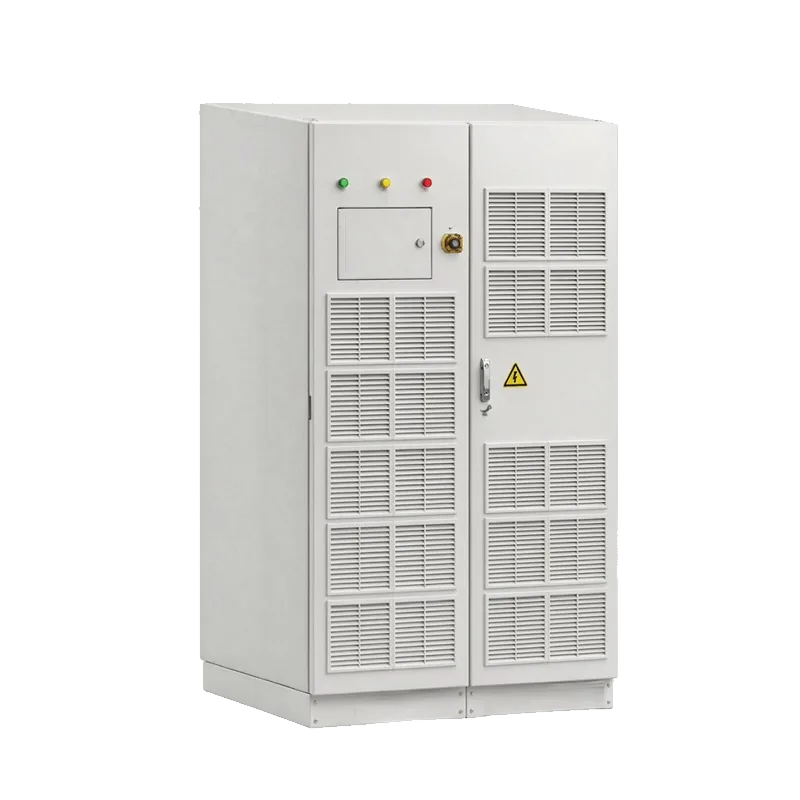
An ATS typically transfers between sources using electromechanical switching. An STS uses solid-state devices and is commonly selected where a faster transfer is needed. Verify synchronization, neutral switching, bypass, fault rating, control logic and interruption time for the system. LEONA-B750K’s brochure describes automatic grid/off-grid transfer under 20 ms; confirm test conditions and the supplied switching arrangement rather than assuming a separate STS is always required.
ATS and STS: source transfer is a system function
An ATS typically transfers between sources using electromechanical switching. An STS uses solid-state devices and is commonly selected where a faster transfer is needed. Neither label alone establishes the complete transfer sequence: verify source synchronization, neutral switching, bypass, fault rating, control logic and the specified interruption time. For VGRID STS equipment, use the datasheet for the selected STS rating; do not assume the PCS cabinet includes it. LEONA-B750K lists STS as external/optional.
Check every interface
- Battery rated voltage and maximum voltage, charge/discharge current and DC protection.
- PV MPPT voltage window, maximum PV voltage, input current and channel count.
- AC voltage, frequency, phase/wire arrangement, power factor and short-circuit contribution.
- Grid-following/grid-forming modes, islanding, generator interface and transfer device.
- Ambient temperature, altitude, enclosure rating, derating and noise where relevant.
Read parallel claims as a design condition
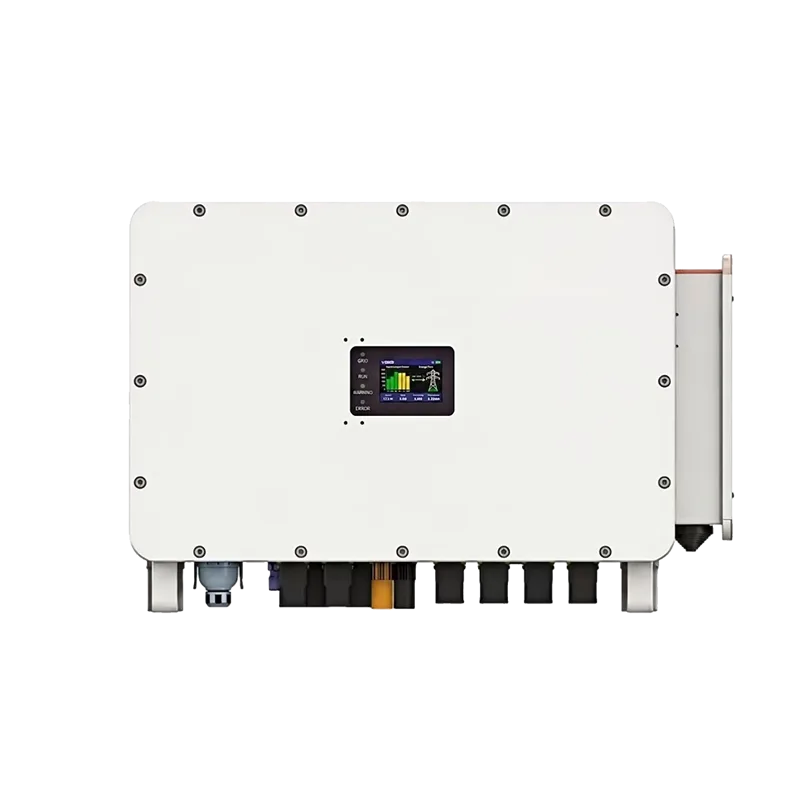
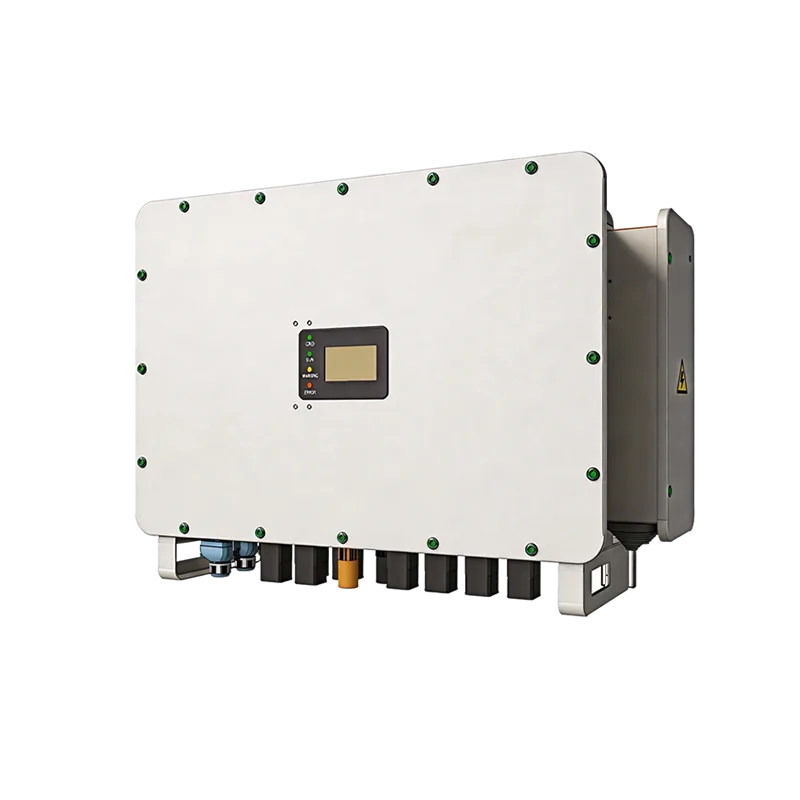
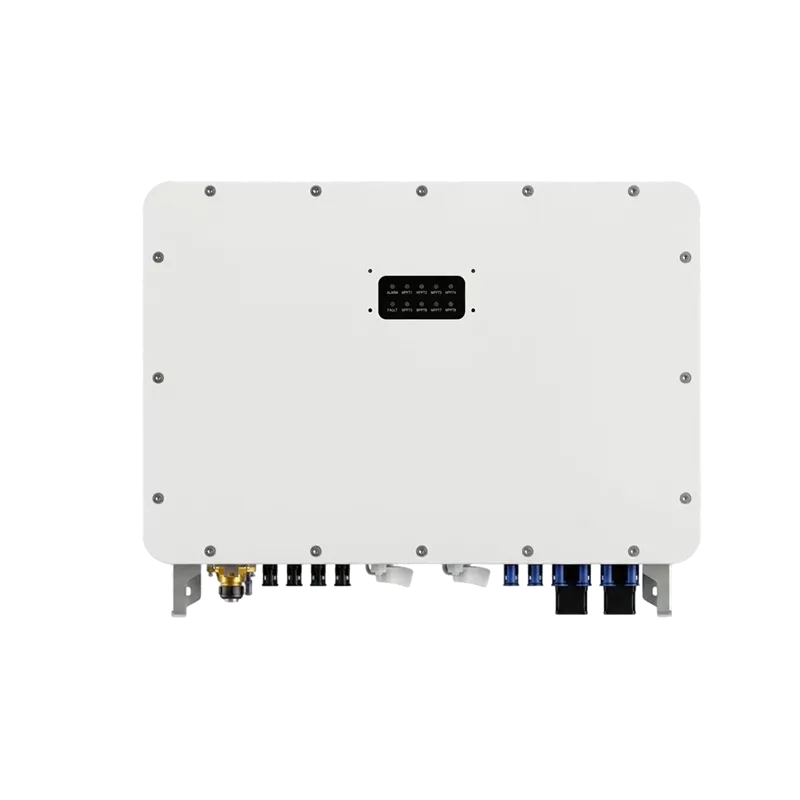
“Parallel capable” does not say how many units can operate together or what total output remains under site conditions. Ask for the approved cabinet count, controller and firmware versions, communications topology, protection settings and commissioning procedure. SP250HAG2T specifies up to three units in parallel. LEONA-B750K supports multiple cabinets, while the project maximum must be engineered and confirmed.
Documents to request
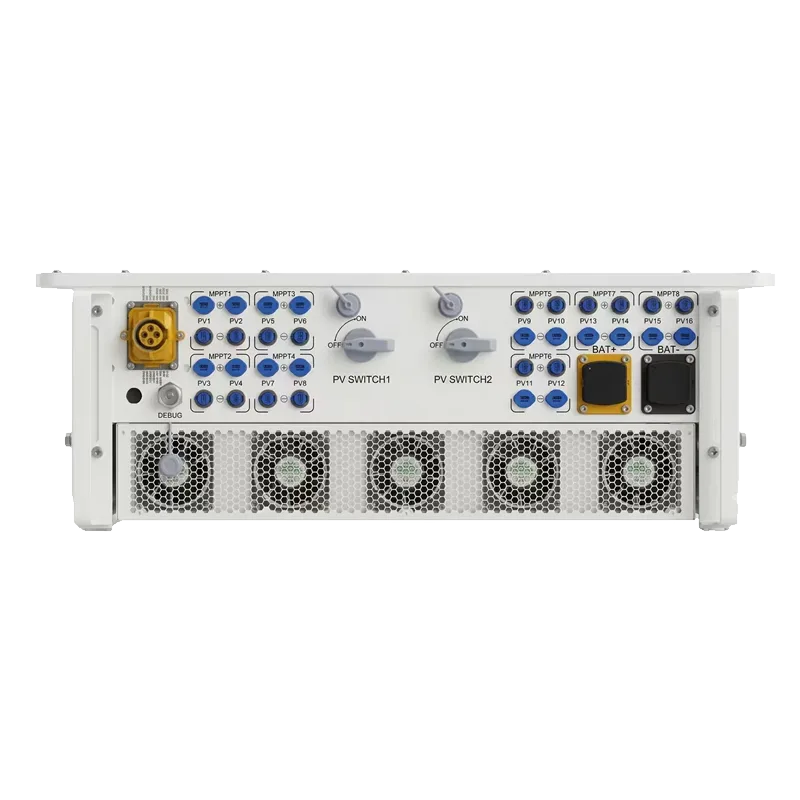
Ask for a configuration-specific datasheet, terminal and interface drawing, single-line diagram, transfer timing statement, parallel-control note, protection requirements and certificates applicable to the supplied build. This lets the EPC or electrical designer check the PCS against the battery, PV array, generator and utility rules.
Compare SP250HAG2T, SP375/500HAG2 and LEONA-B750K using the same power-factor and operating assumptions.
FAQ
What is the difference between kW and kVA?
kW measures active power; kVA measures apparent power. For a stated power factor, kW = kVA × PF, so both ratings and the permitted power-factor range must be checked.
Are ATS and STS the same?
No. ATS generally uses mechanical switching to transfer sources; STS uses solid-state switching for faster transfer. Actual transfer time and supported source conditions must be taken from the selected equipment datasheet.
Can I add PCS cabinets in parallel later?
Only if the cabinet, controller, firmware, communications, protection and AC system are designed for the expanded parallel group. Confirm a maximum approved count before purchase.