A daily microgrid inspection log that the next shift can use
Summary: A page full of “normal” tells the next operator very little. A useful entry identifies the equipment, time and operating conditions behind a change.
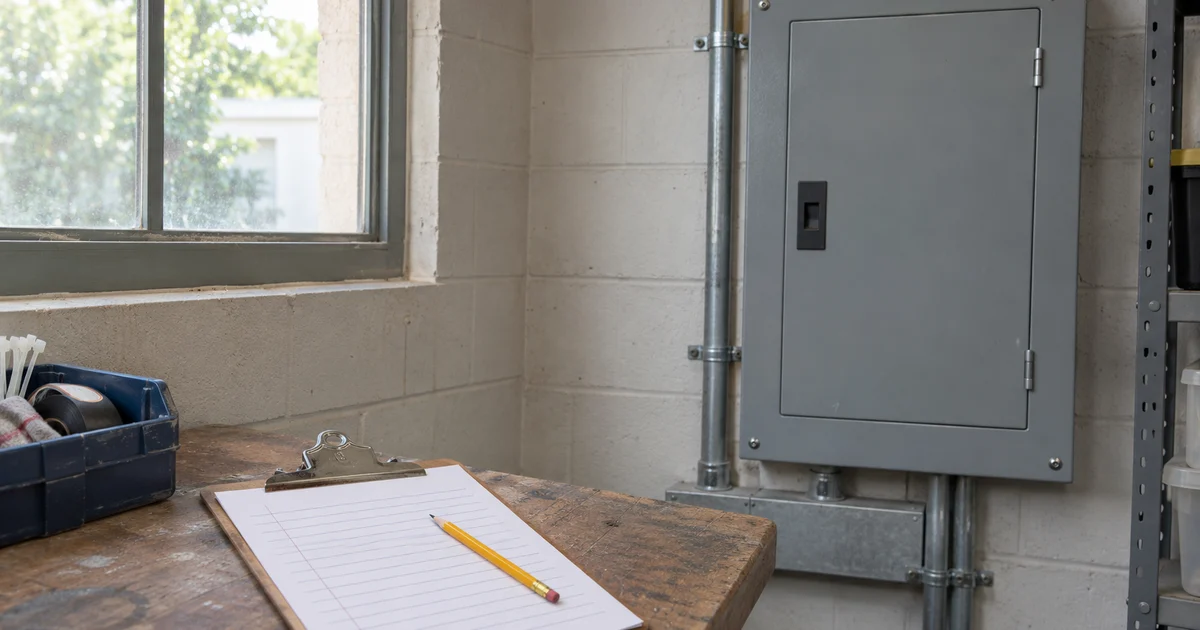
Generated illustrative scene, not a real project photograph or a wiring demonstration.
Read unresolved items from the previous shift. From outside closed cabinets, check alarms, ventilation openings, locks, water ingress and unusual sounds. Do not open an energized enclosure just to complete a checklist. Smoke, burning smells or water near equipment call for the site emergency procedure.
Record operating mode, load, SOC and alarm code at the same time. Identify whether each value comes from a meter, PCS or EMS. A temperature change after an afternoon load increase needs its timestamp and ambient conditions; screenshots from different times are not one operating snapshot.
For a VGRID installation, identify PCS, MPPT, batteries and upstream supplies separately. Leave an owner, a follow-up check and any operating restriction for each open issue. Routine observation does not replace scheduled maintenance or establish that an installation is safe.
Related reading
FAQ
Must a daily inspection include opening cabinets?
No. External observation and authorized internal maintenance requiring isolation are different tasks.
What is often missing from a handover log?
The event time, load, data source and person responsible for unresolved work.